What Is the Best ERP for Mid-Tier Mining Companies?

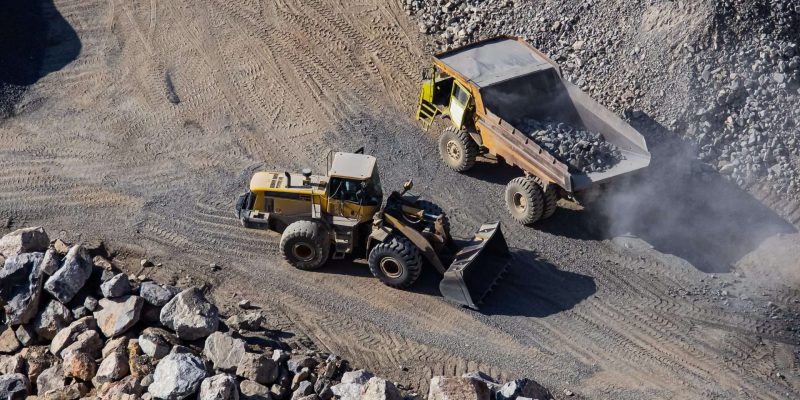
Excavator loading dumper truck on mining site stock photo

What Makes Mining ERP Different from Standard Business Software?

Mining companies operate in a complex environment. From exploration and project development through to production and expansion, mining operations need to manage multiple sites, significant asset investments, remote workforces,  and constantly changing requirements.

While standard ERP software can manage core business functions such as finance, purchasing, payroll and inventory, mining businesses often require greater flexibility and visibility across their entire operation. A mining-focused ERP solution should support the way your business operates today while giving you the ability to scale as your operation grows.
 

The right ERP system should become a central source of business information, connecting financial and operational data to help your team make faster, more informed decisions.


What Should Mid-Tier Mining Companies Look for in ERP Software?

Mid-tier mining companies often face a unique challenge.

Your business may have outgrown spreadsheets, disconnected systems, and basic accounting software, but you also need a solution that adapts as your operation evolves.
 
You may be managing exploration projects today, preparing for development tomorrow and moving towards production in the future, and your ERP system needs to support that journey.
 

Some of the key functions mid-tier mining companies should look for when choosing an ERP software include:


1. Multi-Site and Multi-Entity Management
Mining companies rarely operate from a single office or location.
 
You may have exploration offices, remote sites, multiple legal entities, joint ventures or operations across several countries. Your ERP system should make it easier to manage this complexity from a single platform.
 

Look for functionality that supports:

  • Multiple companies and entities
  • Multiple sites and locations
  • Intercompany transactions
  • Consolidated financial reporting
  • Multi-currency operations
  • Site-specific cost tracking
 

This gives management and finance teams greater visibility across the business without relying on disconnected systems or manual reporting processes.


2. Project, Job and Cost Management
Mining operations move through different stages, each with its own costs, budgets and reporting requirements.
 
From exploration drilling and feasibility studies through to mine development and production, understanding where money is being spent is critical.
 

Your  ERP system should allow you to track costs against the areas that matter to your business, including:

  • Projects
  • Jobs
  • Cost centres
  • Sites
  • Tenements
 
Real-time budget visibility and variance reporting can help finance and operations teams identify potential issues earlier and make better decisions about resource allocation.
 

3. Asset and Maintenance Management

Mining equipment represents a significant investment, and downtime can have a major impact on productivity and profitability.
 
Your ERP system should support the management of your assets throughout their lifecycle, from procurement and commissioning through to maintenance and replacement.
 

Key capabilities may include:

  • Asset registers and equipment history
  • Preventative maintenance scheduling
  • Work order management
  • Maintenance cost tracking
  • Spare parts and inventory management
  • Integration with purchasing and finance
 
By connecting maintenance, inventory and financial information, mining companies can gain a clearer understanding of asset performance and the true cost of maintaining critical equipment.
 

4. Integrated Financial Reporting and Business Intelligence

Finance teams need timely, accurate information to support operational decisions, management reporting, compliance and investor requirements.
 
When financial information is across multiple systems and spreadsheets, reporting becomes more time-consuming and the risk of inconsistent or outdated information increases. An integrated ERP solution can provide a single source of truth for financial and operational data.
 

With the right business intelligence tools in place, your team can move beyond static reports and gain access to dashboards, analysis and reporting that helps answer important business questions.

For mining companies, this can mean greater visibility into:

  • Project and operational costs
  • Budget vs actual performance
  • Asset and maintenance expenditure
  • Inventory and supply chain activity
  • Financial performance across multiple entities
 

How Does Scope Systems Approach Mining ERP?

At Scope Systems, we understand that implementing ERP software is not just about what suits your company’s current needs; we also understand how your company will grow and the software you will need to support that growth.
 
The success of an ERP implementation depends on understanding how your business operates, where your challenges are and what you need the system to support as your company grows.
 
With more than 30 years of experience supporting mining and resources businesses, Scope Systems works with customers to implement and support solutions based on their operational requirements. As the leading Pronto Xi partner, we help businesses configure ERP solutions that bring together financial management, project costing, asset management, inventory, maintenance, payroll and business intelligence.
 
Our approach starts with understanding your business, learning your current processes and systems, operational requirements, reporting and compliance needs and other requirements.
 
From there, we help develop an ERP roadmap that meets your needs today, while allowing additional functionality to be introduced as your business evolves.
 

What Questions Should You Ask an ERP Vendor?

Choosing an ERP system is a significant investment, so it is important to look beyond the software demo. The right questions can help you understand whether a provider has the experience and capability to support your business in the long term.

Consider asking:

  • How much experience do you have working with mining and resources companies?
  • Have you worked with companies at a similar stage of growth?
  • Can the system support multiple sites and entities?
  • What does the implementation process look like?
  • How will you support us after go-live?
 

The answers to these questions can be just as important as the software’s functionality.

A good ERP implementation depends on having the right technology and the right implementation partner.


How Do You Avoid Common ERP Selection Mistakes?

Selecting an ERP system is a major decision, and there are several common mistakes mining companies can avoid.
 
1. Choosing Based on Price Alone
The lowest upfront cost does not always result in the lowest long-term cost.

A system that does not suit your operational requirements often requires significant customisation, manual workarounds or replacement as your business grows.

Consider the overall value of the solution, including functionality, scalability, implementation, support and integration capabilities when choosing an ERP solution.
 
2. Underestimating the Implementation Process
ERP implementation requires planning, collaboration and change management.
 
Rushing through requirements gathering, data migration, system configuration or training can create problems later. A structured implementation approach helps ensure the system is configured around your business processes and that your team is prepared to use it effectively.
 
We work with customers throughout the implementation journey, helping manage the transition from existing systems through to go-live and ongoing support.
 
3. Focusing Only on the Software
The implementation partner is just as important as the software itself, as an experienced partner can help you identify opportunities to improve processes, avoid unnecessary complexity, and configure the system to align with how your business operates.
 

For mining companies, industry experience is particularly valuable. A partner like Scope Systems understands the challenges of remote operations, project-based costing, asset-intensive environments, and changing mine life cycles, and can provide more practical advice throughout the implementation.


Choosing an ERP That Can Grow With Your Mining Business

The best ERP solution for your mining company is not necessarily the one with the longest list of features.
 
It is the one that supports your current business requirements while giving you a clear path for future growth.
 

For exploration and mid-tier mining companies, that often means looking for a solution with strong capabilities across:

  • Financial management
  • Project and job costing
  • Multi-site and multi-entity management
  • Asset and maintenance management
  • Inventory and supply chain management
  • Payroll and workforce requirements
  • Reporting and business intelligence
  • Integration with other systems
 
Scope Systems combines more than 30 years of industry experience with the flexibility of Pronto Xi and a broader ecosystem of mining and business technology solutions.
 
Whether you are an exploration company looking to establish a scalable foundation or an established mining operation looking to replace disconnected legacy systems, our team can help you identify the technology that best supports your next stage of growth.

Frequently Asked Questions

What is mining ERP software, and why do mid-tier mining companies need it?
A Mining ERP software solution brings together key areas of the business, including finance, purchasing, inventory, assets, maintenance, projects and workforce information.
 
For mid-tier mining companies, this is particularly important as operations become more complex.
Managing multiple sites, large asset fleets, project costs and growing workforces using disconnected systems can create data silos, increase manual work and make reporting more difficult.
 
A well-implemented ERP system provides a central source of information and gives teams greater visibility across the business.
 
The right features will depend on your business and stage of the mine life cycle, but common priorities include:
 
  • Multi-site and multi-entity management
  • Project and job costing
  • Asset and maintenance management
  • Inventory and supply chain management
  • Integrated financial reporting
  • Business intelligence and dashboards
  • Integration with existing systems
  • Scalability for future growth


It is also important to consider how the system will support your team in remote and operationally complex environments.
Implementation timeframes vary depending on the size and complexity of the business, the number of sites involved, existing systems and the scope of the project.
 
A successful ERP implementation typically includes:
  1. Requirements gathering and solution design
  2. System configuration
  3. Data migration
  4. Integration development
  5. Testing
  6. User training
  7. Go-live and post-implementation support
 

For larger or more complex mining operations, a phased approach may allow functionality to be introduced progressively.
 
Scope Systems uses a structured project management approach to help manage implementation activities, risks and stakeholder requirements throughout the project.
Yes. Modern ERP systems can integrate with production tracking, workforce management, business intelligence and other specialist software through APIs.
 
Scope Systems provides software development and integration services to help connect Pronto Xi with existing business and operational systems.
Pronto Xi is a flexible, modular ERP platform that can support the financial and operational requirements of mining and resources businesses.
 
Scope Systems works with mining companies to configure Pronto Xi around their requirements, including areas such as project costing, financial management, asset management, maintenance, inventory, payroll and reporting.
 
Additional integrations can also connect Pronto Xi with specialist systems used for mine production, workforce management and business intelligence.
An ERP partner with experience in the mining industry can better understand the operational challenges your business faces.
 
This includes areas such as multi-site operations, remote locations, project and tenement costing, high-value assets, complex inventory requirements and the changing needs of a business as it moves through the mine life cycle.
 
The right partner can help ensure your ERP solution is designed around your business rather than forcing your business to adapt to a generic software implementation.

Latest Posts

Contact us

* indicates required field


By submitting this form, I accept the Privacy Policy.

Contact our Sales team

* indicates required field


By submitting this form, I accept the Privacy Policy.

Contact our BI team

* indicates required field


By submitting this form, I accept the Privacy Policy.

Cloud Hosting Enquiry

* indicates required field


By submitting this form, I accept the Privacy Policy.