What is asset management/maintenance?
Asset management is a strategic approach that aims to maximise the value of assets over their entire lifecycle. It encompasses everything from planning and acquisition to financing and disposal of an Asset. On the other hand, asset maintenance focuses on the day-to-day operations, ensuring that assets remain in peak condition. This includes inspections, servicing, and repairs – the nuts and bolts of keeping everything running smoothly.
Assets within organisations can be categorised into a few broad groups:
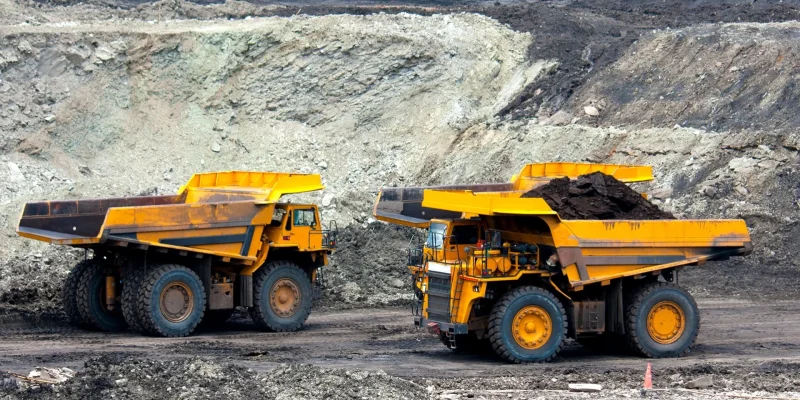
- Physical: This is your mobile and fixed plant equipment.
- Human: Your skilled operators who keep things moving.
- Intangible: Your intellectual property.
- Current: The inventory that keeps your operations flowing.
Asset management provides a framework for asset owners and managers to make informed and strategic decisions regarding their assets, optimising the net value they derive. Meanwhile, asset maintenance plays a crucial role in ensuring those same assets stay happy and healthy throughout their lifecycle.
How do you identify an operational need for asset management?
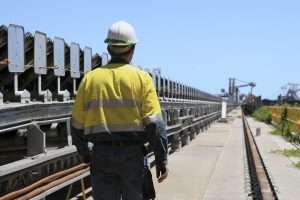
If you’re running an operation with a significant number of assets, tracking their lifecycle is essential – that’s where asset management and maintenance come into play. Most mining operations, for instance, have a mix of fixed and mobile plant, personnel, and multiple sites that require careful oversight.
How can operations benefit?
When you harness cleaner data related to asset information, improved decision-making naturally follows. This can lead to cost reductions and a more streamlined approach to the work being done on physical assets. Plus, when management integrates with maintenance, the insights gained from aggregating financial and operational data can yield even greater returns.
What are some misconceptions about asset management?
Many mistakenly believe that knowledge of key performance indicators isn’t crucial for asset management. In reality, assets are prone to failure the more they are used, but asset management isn’t just about preventing failures. It’s also about understanding how assets perform from operational and financial perspectives. And let’s not forget about people – they are a vital asset in any business. Engaged and motivated personnel can enhance operational performance, so it’s essential to recognise that equipment is only as good as the person operating it.
What are the emerging trends that companies are looking at?
There are several developments gaining momentum in the asset management space:
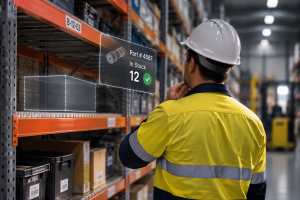
- Mobility: Imagine maintenance professionals using smaller devices in the field, interacting with maintenance systems while on the go.
- AI (Artificial Intelligence): Leveraging AI to streamline work management through advanced simulations and algorithms.
- IoT (Internet of Things): Employing machine learning to trigger alerts when assets aren’t performing as they should.
Why use an integrated asset management/maintenance system?
Choosing an integrated asset maintenance system that aligns seamlessly with your finance operations can unlock numerous operational and financial benefits. Here’s a closer look at the key advantages:
Improved Data Accuracy: No more double-entry or mismatched records. Maintenance data, such as repairs or downtime, syncs automatically with financial records, reducing human error and providing real-time updates.
Better Cost Tracking: Gain visibility into the actual cost of ownership for each asset, covering acquisition, maintenance, and disposal. This insight helps identify high-cost assets or inefficient equipment eating into your resources, leading to accurate budgeting and forecasting.
Real-Time Financial Insights: Enjoy immediate visibility into maintenance expenditure and its impact on cash flow or CAPEX and OPEX budgets, allowing for dynamic decision-making (like when to repair versus replace).
Enhanced Reporting & Compliance: Effortlessly generate reports for audits and regulatory compliance, ensuring maintenance costs are correctly categorised.
Lifecycle Management: Stay on top of your assets from acquisition to disposal. This helps plan preventive maintenance, extending asset life and reducing downtime while syncing depreciation and asset condition with your financial records in real time.
Smarter Decision-Making: By combining operational and financial data, you can achieve a comprehensive view that helps prioritise capital investments based on actual asset performance and financial impact.
Cross-Department Collaboration: With finance, operations, and maintenance teams working from the same data sets, this integration fosters alignment and reduces communication gaps or delays in decision-making.
Want to improve your asset management/ maintenance? Our Advisory team of consultants can help streamline your asset management.