Running a multi-site mining operation comes with a unique set of challenges. You’re managing assets across remote locations, coordinating inventory and procurement, tracking project costs, meeting regulatory obligations and making decisions based on data that can often be spread across disconnected systems.
ERP software for mining operations connects these pieces, bringing financial, operational, asset, inventory, procurement and other business data together in one centralised system. Instead of relying on spreadsheets and disconnected applications, mining companies can create a single source of truth that gives management and site teams greater visibility over the operation.
In this article, we look at eight common challenges mining companies face and how the right ERP system can help address them.
Key Takeaways: 8 Mining Challenges ERP Can Solve in 2026
- Multi-site mining operations benefit from centralised data that improves visibility and decision-making across locations.
- Better inventory management can help reduce stockouts, excess stock and unnecessary working capital.
- Preventative maintenance and asset management can help reduce unplanned downtime and extend equipment life.
- Integrated project costing gives mining companies greater visibility over labour, materials, equipment and other operational costs.
- Tenement and compliance management can help reduce the administrative burden associated with regulatory reporting.
- Workforce management and rostering become easier when employee, contractor, competency and compliance information is connected.
- Integrated reporting and business intelligence reduce reliance on manually consolidated spreadsheets.
- A scalable ERP platform can support mining companies as they move from exploration through to production and expand across multiple sites.
Operational Challenges Multi-Site Mining Companies Can Solve With ERP
1. Disconnected Data Across Multiple Sites
When your data lives in separate spreadsheets or systems at each site, you’re always playing catch-up. Decisions are delayed because someone must manually consolidate information before leadership can act on it.
A mining ERP brings all your sites into one environment. Production figures, inventory levels, and financial transactions flow into a central database in real time. This means your head office sees the same numbers as your site managers.
2. Unplanned Equipment Downtime
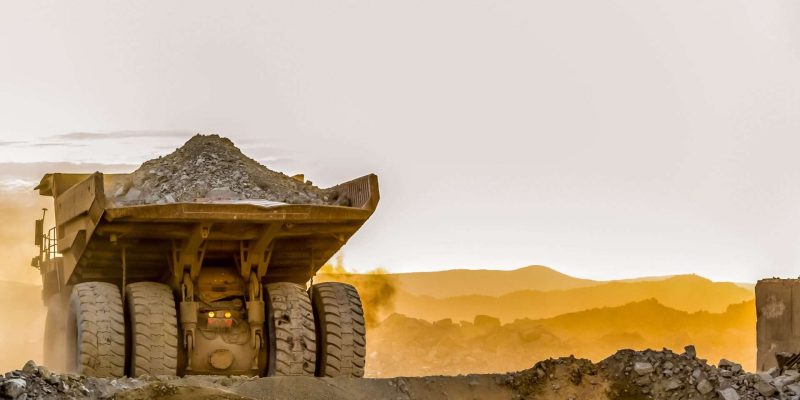
A haul truck breaking down unexpectedly doesn’t just cost you repair dollars. It costs you production hours, missed targets, and frustrated crews. Reactive maintenance is expensive and disruptive.
ERP platforms with maintenance management modules let you schedule preventative work based on usage hours, dates, or condition triggers. You can track the full maintenance history of each asset and plan shutdowns around your production schedule.
3. Inaccurate Project Costing
Mining projects have many moving parts, with labour, materials, equipment hire, and overheads all needing to be tracked against specific cost centres, tenements, or development stages. When these costs aren’t captured accurately, you end up with budget blowouts.
With integrated ERP financials, your purchasing, inventory, payroll, and project modules all talk to each other. Every transaction is automatically allocated to the right project code, giving you real-time visibility into how each area of the operation is tracking against budget.
4. Compliance and Tenement Reporting Headaches
Managing lease information, expenditure commitments, anniversary dates and reporting requirements manually can create a significant administrative workload. It can also increase the risk of missing important dates or entering inaccurate information. Missing a deadline or filing inaccurate data can result in penalties or, worse, loss of tenure. Managing this manually across multiple leases is a recipe for errors.
Specialised tenement management modules such as Scope Systems Tenements extension can track your lease obligations, anniversary dates, and expenditure commitments. Reports like the Form 5 can be generated directly from your ERP data, reducing the risk of costly mistakes.
5. Poor Visibility Over Workforce Rostering
FIFO rosters, contractors, inductions, competencies, training, travel and site compliance all need to be coordinated. When this information is managed in spreadsheets or separate systems, teams can spend significant time verifying data and updating records.
Workforce platforms like PeopleTray connect rostering, safety training, and site compliance into one system. This gives mining and mining services companies greater visibility over their workforce and helps site teams ensure personnel have the required inductions, training and competencies before they commence work.
6. Slow and Inaccurate Reporting
For many mining companies, monthly reporting can still involve exporting information from multiple systems, manipulating spreadsheets and manually checking figures.
The problem isn’t just the time involved. Manual reporting creates opportunities for data entry errors and means management may be working with information that is already out of date.
ERP systems with built-in business intelligence tools let you build dashboards that pull live data directly from your transactional systems. Your leadership team gets access to financial, operational, and production metrics without waiting for someone to compile a report.
7. Supply Chain Coordination Across Locations
Managing suppliers, purchase orders, and deliveries across multiple sites requires coordination. When procurement isn’t centralised, you end up with duplicate orders, inconsistent pricing, and missed opportunities to consolidate freight. Parts, consumables, equipment, and other materials need to reach the right location at the right time, often in remote locations. If these parts are missed, or a critical part is missing, you can spend thousands of dollars on expedited shipping to get the part to you quickly.
A centralised ERP gives your procurement team visibility across all locations. You can standardise supplier agreements, track purchase order approvals, and manage inventory replenishment from a single platform.
8. Scaling Systems as Your Operation Grows
Entry-level software works fine when you’re a junior explorer with a small team. But as you move into production and add more sites, those same systems can become bottlenecks that slow you down. At the same time, replacing core systems during a major growth phase can be disruptive and expensive.
Modular ERP solutions let you start with the functionality you need today and add more as your requirements change. Scope Systems implements Pronto Xi for companies at every stage, from two-person exploration outfits to operations with thousands of employees across multiple countries.
Finding the Right ERP for Your Mining Operation
Choosing an ERP isn’t about finding the biggest name in the market. It’s about finding a system that fits how your operation actually works. Generic platforms often require extensive customisation to meet mining-specific requirements such as tenement management, production tracking, and asset-intensive maintenance schedules.
Scope Systems has spent over 30 years working exclusively with mining and resources companies. That focus means the solutions are built with your industry’s workflows in mind, not retrofitted from a generic template. With global support teams and hundreds of implementations across Australia, Africa, and the Americas, Scope Systems brings both the technical expertise and the industry knowledge to get your project right.
If you’re evaluating ERP options for 2026, it’s worth having a conversation about what’s possible. Request a demo to see how these solutions work in practice.
Frequently Asked Questions
What makes a mining-specific ERP different from a generic system?
Mining ERP systems include modules designed for industry needs such as tenement management, production tracking, and asset maintenance. Generic ERP platforms often require significant customisations to handle these workflows.
Scope Systems builds ERP solutions around Pronto Xi with pre-built mining functionality, reducing implementation time and ensuring the system fits your operational requirements from day one.
How does ERP help with multi-site inventory management?
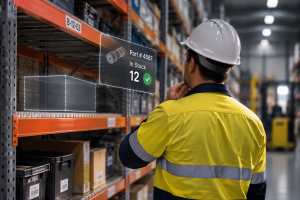
ERP centralises your inventory data across all locations into one system. You can see stock levels, movement history, and reorder points for every warehouse in real time.
This visibility helps you avoid stockouts at remote sites while reducing excess inventory that unnecessarily ties up working capital.
Can smaller mining companies benefit from ERP?
Yes. Modular ERP solutions let you start with core financials and add modules as your operation grows. You don’t need to pay for functionality you won’t use as an explorer.
Scope Systems works with companies of all sizes, from junior explorers through to large multi-site producers with thousands of employees.
How does ERP improve equipment maintenance planning?
Asset/ Maintenance modules track asset usage, maintenance history, and upcoming service requirements. You can schedule preventative work before equipment fails.
This reduces unplanned downtime and extends the operational life of your mobile and fixed plant assets.
What reporting capabilities should I look for in mining ERP?
Look for systems with integrated business intelligence that can pull data from across your modules. Dashboards should give you real-time access to production, financial, and operational metrics.
The ability to generate statutory reports directly from your ERP data is also valuable for compliance-heavy environments.
How long does a mining ERP implementation typically take?
Timelines vary based on scope and complexity. Simple implementations can go live in a matter of months, while larger multi-site rollouts may take longer.
Working with a partner experienced in mining implementations helps avoid delays caused by unaligned expectations or unfamiliar industry requirements.